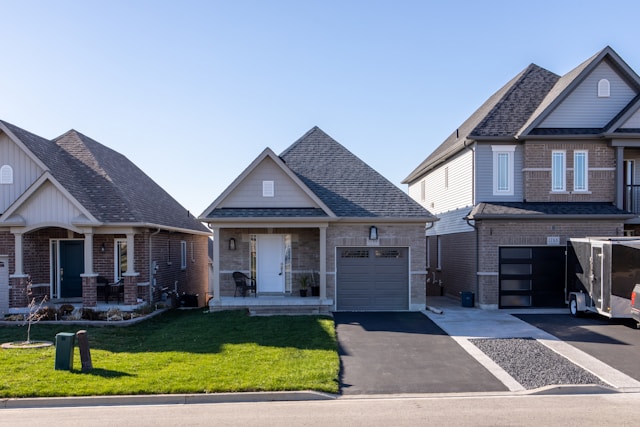
In real estate, the saying “location, location, location” is more than just a cliché—it’s one of the most critical factors that determine property value and long-term growth. Where a property is located often has a greater impact on its price, desirability, and potential for appreciation than the property itself. Understanding how location influences property investment can help buyers make smarter choices and maximize returns.
Why Location Matters in Real Estate
Location affects property value because it determines demand, quality of life, and long-term growth potential. Properties in prime areas tend to attract more buyers and renters, while less desirable locations may struggle to retain value. Key aspects of location include:
- Proximity to jobs and amenities: Access to employment centers, shopping, schools, hospitals, and entertainment boosts desirability.
- Neighborhood reputation: Safety, cleanliness, and social stability influence property appeal.
- Accessibility and transportation: Easy access to roads, highways, and public transport increases convenience.
- Future development: Areas with planned infrastructure or commercial growth often see higher appreciation.
Real estate investors who understand these factors can make strategic purchases that generate both rental income and capital gains.
How Location Influences Property Value
1. Economic Factors
The strength of the local economy directly affects property value. Cities or regions with high employment rates, diverse industries, and economic growth attract residents, driving demand for housing.
- Strong job markets encourage people to buy or rent homes, pushing property prices up.
- Regions with declining industries may see stagnating or falling property values.
Investing in areas with economic stability ensures long-term growth potential.
2. Neighborhood Quality
Neighborhood characteristics such as safety, schools, and community amenities heavily influence property prices.
- Homes in areas with low crime rates and high-performing schools generally command higher prices.
- Neighborhoods with parks, shops, and recreational facilities are more attractive to buyers and renters.
- Community reputation and cleanliness affect not only immediate value but also long-term appreciation.
3. Transportation and Accessibility
Ease of commuting and transportation options impacts demand for properties.
- Proximity to highways, metro lines, or major transit hubs increases accessibility.
- Areas with traffic congestion or poor public transportation may see slower growth.
- Walkability and bike-friendliness also influence modern buyers’ preferences.
Properties in well-connected locations typically hold value better and are easier to sell or rent.
4. Local Government and Policies
Government policies and local regulations play a crucial role in property value.
- Zoning laws determine what types of buildings can be developed, affecting future growth potential.
- Tax rates, development incentives, and infrastructure projects can boost property demand.
- Strict building codes or limitations may prevent overcrowding, maintaining neighborhood quality.
Researching local policies helps investors understand long-term value trends.
5. Future Development Potential
Areas with planned developments—such as new schools, hospitals, shopping centers, or business districts—tend to see higher appreciation.
- Anticipated infrastructure attracts residents and businesses, increasing demand for housing.
- Gentrification or urban revitalization projects often lead to rapid property value growth.
- Conversely, overdevelopment or industrial expansion without planning can reduce appeal.
Investors who analyze future growth plans can position themselves to benefit from rising property values.
6. Natural Environment and Climate
Environmental factors also influence property desirability:
- Proximity to beaches, lakes, or scenic views increases value.
- Areas prone to flooding, earthquakes, or extreme weather may be less desirable.
- Climate trends and environmental sustainability initiatives affect long-term investment security.
Understanding environmental risks and benefits is crucial for long-term property growth.
Rental Demand and Location
Location is a major factor in rental income potential:
- Properties near universities, hospitals, or business districts attract steady tenants.
- Areas with high employment growth or young populations have strong rental demand.
- Access to amenities and entertainment improves tenant satisfaction and retention.
High-demand locations often result in higher rental yields, faster occupancy, and lower vacancy rates.
Comparing Urban, Suburban, and Rural Locations
- Urban Areas: Typically have higher property prices and faster appreciation due to demand, but can involve higher competition and costs.
- Suburban Areas: Often offer more space, family-friendly neighborhoods, and steady growth, making them appealing for long-term investments.
- Rural Areas: Usually lower entry costs but slower appreciation and less rental demand. Investments here require careful evaluation of local economy and infrastructure.
Understanding which type of location aligns with your investment goals is key to success.
How to Analyze Location Before Buying
- Research Local Market Trends: Study property appreciation rates, vacancy rates, and rental demand.
- Evaluate Neighborhood Features: Safety, schools, amenities, and public services are crucial.
- Check Future Development Plans: Look for upcoming infrastructure, commercial projects, and zoning changes.
- Assess Accessibility: Consider transportation links, commuting times, and walkability.
- Understand Economic Indicators: Job growth, population growth, and business development affect property value.
Conducting thorough due diligence ensures that location supports both immediate and long-term investment goals.
Conclusion
Location is the single most important factor influencing property value and growth. While property features, size, and condition matter, the surrounding area ultimately determines desirability, rental demand, and appreciation potential.
Investors who carefully analyze economic conditions, neighborhood quality, accessibility, government policies, and future development can make strategic decisions that maximize returns.
In real estate, a great location can turn a modest property into a profitable investment, while a poor location can undermine even the most attractive property. By prioritizing location, buyers and investors set themselves up for long-term success and financial growth.