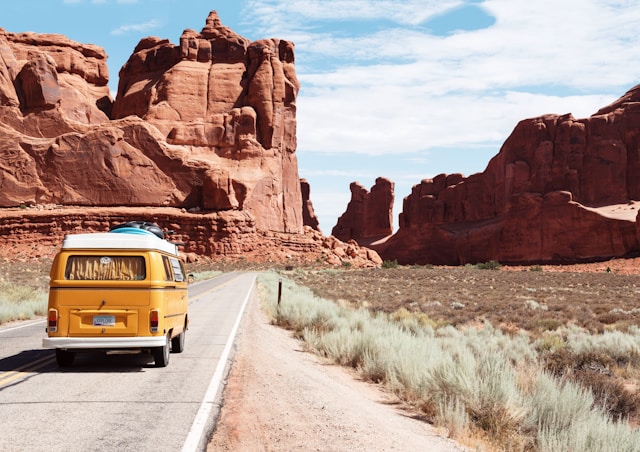
In today’s fast-paced world, travel often feels like a race against the clock. Many people cram multiple destinations into short trips, rushing from one attraction to another. While this approach may allow you to check off a list of landmarks, it often leaves little time for meaningful experiences. Enter slow travel—a growing movement that encourages travelers to immerse themselves in a destination, prioritize quality over quantity, and savor every moment of the journey.
This guide explores the rise of slow travel, why it’s becoming increasingly popular, and how embracing it can transform your travel experiences.
What Is Slow Travel?
Slow travel is a philosophy that emphasizes experiencing destinations at a relaxed pace. Instead of trying to see everything in a short time, travelers focus on deeper connections with local culture, people, and environments. Key elements of slow travel include:
- Staying longer in one location
- Engaging with local communities
- Reducing travel-related stress and rushing
- Prioritizing meaningful experiences over tourist attractions
The slow travel movement draws inspiration from the broader slow living trend, which encourages mindfulness, sustainability, and intentionality in everyday life.
Why Slow Travel Is Becoming Popular
Several factors contribute to the rise of slow travel:
- Desire for Authentic Experiences: Modern travelers want to connect with the culture, cuisine, and daily life of the places they visit, rather than just posing in front of landmarks.
- Digital Nomadism: Remote work allows people to spend weeks or months in one location, enabling immersion rather than brief visits.
- Sustainable Travel: Slow travel reduces carbon footprints by minimizing frequent flights and supporting local economies.
- Mental Wellbeing: Travelers increasingly seek restorative, stress-free vacations rather than hectic itineraries.
The popularity of slow travel reflects a shift from “seeing it all” to truly experiencing it all.
Benefits of Slow Travel
1. Deep Cultural Immersion
Spending more time in one place allows travelers to experience local culture in a meaningful way.
- Learn regional traditions, language basics, and cooking methods.
- Participate in community events, markets, and festivals.
- Build relationships with locals, gaining insights that short trips cannot provide.
Slow travel transforms a vacation into a cultural education.
2. Financial Savings
While staying longer may seem expensive, slow travel can actually reduce costs:
- Long-term rentals are often cheaper than multiple short-term hotel stays.
- Cooking your own meals or shopping locally can save money.
- Reduced flights and transport between destinations lower overall travel expenses.
By minimizing constant movement, travelers can enjoy richer experiences while staying within budget.
3. Reduced Stress
Traveling at a slower pace alleviates common travel stressors:
- No rush to catch multiple trains, buses, or flights in a single day.
- More time to rest, explore neighborhoods, and enjoy leisurely meals.
- Flexibility to adjust plans based on mood, weather, or local events.
Slow travel creates a more relaxing and fulfilling experience.
4. Environmental Sustainability
Frequent flights and over-tourism contribute to environmental damage. Slow travel mitigates these issues by:
- Reducing carbon emissions from transportation
- Supporting local businesses rather than large, international chains
- Encouraging responsible tourism that values the community and environment
Travelers become more conscious of their impact on the planet.
5. Better Health and Wellbeing
Spending extended time in a single location allows for healthier routines:
- Time for regular meals and exercise
- Less fatigue from constant travel
- Opportunity to explore outdoor activities like hiking, biking, or walking tours
This approach promotes both physical and mental wellness while traveling.
How to Embrace Slow Travel
1. Stay Longer in One Location
Rather than hopping between cities or countries, dedicate at least a week or more to one destination. This allows you to settle in, understand the area, and explore beyond tourist hotspots.
2. Choose Local Accommodations
Rent apartments, stay in guesthouses, or participate in homestays to experience authentic local living.
- Kitchens allow you to prepare local meals
- Interaction with hosts and neighbors provides cultural insights
- Longer stays often come with discounted rates
3. Use Public Transportation and Walk
Explore cities by walking, biking, or using public transport to understand how locals live. This also reduces environmental impact.
4. Prioritize Experiences Over Sightseeing
Focus on activities that matter most to you:
- Attend workshops or cooking classes
- Visit local markets and parks
- Join community events or cultural tours
Slow travel is about depth, not quantity.
5. Minimize Technology Dependence
Instead of constantly documenting your trip for social media, engage fully with your surroundings. Mindful travel enhances memory retention and emotional satisfaction.
6. Connect with Locals
Take time to interact with residents, ask questions, and participate in everyday activities. Local connections often lead to unique experiences unavailable in guidebooks.
Destinations Ideal for Slow Travel
Certain destinations are particularly suited for slow travel:
- Italy: Tuscany or Amalfi Coast, with beautiful towns and slow-paced culture.
- Japan: Kyoto or rural areas, offering serene environments and cultural immersion.
- Portugal: Lisbon or Porto, where local cuisine and historic neighborhoods encourage lingering.
- Thailand: Chiang Mai or coastal towns for relaxation and authentic experiences.
These locations combine rich culture, manageable size, and welcoming communities.
Conclusion
Slow travel is a refreshing alternative to the fast-paced, checklist-style vacations that dominate modern tourism. By staying longer in one place, engaging with local communities, and prioritizing meaningful experiences, travelers can enjoy more authentic, relaxing, and sustainable journeys.
The rise of slow travel reflects a shift toward mindfulness, intentionality, and connection. Whether you’re a seasoned traveler or planning your first adventure, embracing slow travel can transform your trips from rushed sightseeing tours into deeply rewarding experiences.